










By Chris Romer
With ski season ending and summer vacations just around the corner, it is important to recognize the significant impact tourism has on Colorado’s economy. In 2022, more than 90 million visitors traveled to our state, spending a record $27.7 billion. That level of tourism sustains our state’s small businesses, supports job growth, and generates tax revenue for our cities. Unfortunately, the benefits of this economic impact are now at risk.
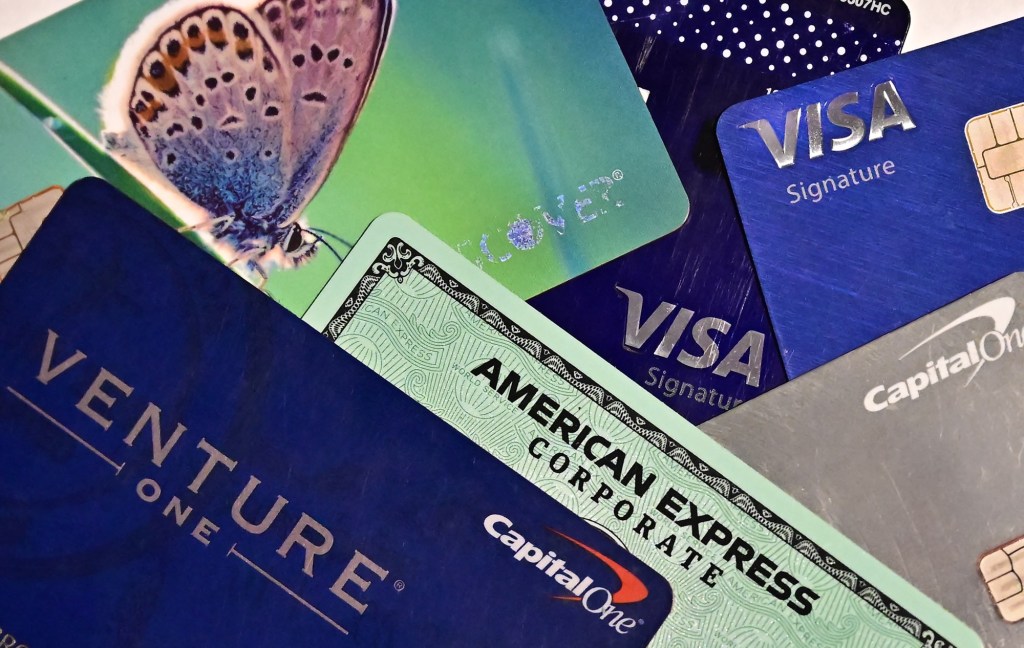
Millions of Americans use credit card rewards each year to book vacations and trips to see loved ones. Credit card rewards such as cash back, airline miles and hotel points, help reduce the out-of-pocket cost of travel and make trips more affordable. A recent study by an airline trade association found that in 2022, more than 700,000 visitors used airline credit card miles to pay for travel to Colorado. That figure doesn’t include the many other visitors who used rewards like cash back to pay for gas, rental cars, and meals, or hotel points to pay for lodging.
Credit card rewards not only make travel more affordable for consumers, but they are also critical for millions of small businesses across the country that rely on visitor spending. In my role at the Vail Valley Partnership, I recognize how much local businesses rely on these dollars. Should these rewards be reduced or eliminated, communities like mine would almost certainly see a dip in spending, jeopardizing our ability to operate and risking employees’ jobs.
A new survey from the U.S. Tourism Economy Alliance confirms my concerns. The survey finds that of the nearly 80% of Americans who have credit cards with rewards, more than 70% of them would cut travel spending if those rewards were reduced or eliminated. That is a potentially catastrophic reduction in tourism spending that businesses across all corners of our state would feel, and it is why I am very alarmed to learn that Congress is considering legislation that would all but eliminate credit card rewards.
Currently, when a consumer makes a purchase with a credit card, the retailer pays a small percentage of the overall cost — usually 1 to 3% — known as interchange. Banks use this funding to ensure the security of the transaction and protect both the consumer and retailer from fraud. Banks also use this money to fund popular rewards programs that consumers use to book travel. The Durbin-Marshall credit card bill — currently under consideration in the Senate — would allow retailers to choose cheaper, less secure networks, eliminating the funding used for credit card rewards, and possibly further exposing consumers to fraud.
Eliminating credit card rewards would increase the out-of-pocket costs of a trip to Colorado, meaning travelers would either forgo the trip entirely, or have less spending money on discretionary items after paying for the core pieces of the trip — like airfare, rental cars and hotels. Middle-class travelers in particular would feel the pinch from losing their rewards. According to USTEA’s survey, two-thirds of households nationwide making less than $75,000 have a rewards credit card. If they lost access to rewards, nearly a third of this group say they’d take fewer non-business trips.
That means less money spent at Colorado’s restaurants, tour operators, entertainment centers, and retail stores. This contraction will hurt small businesses, employees in the hospitality sector, and our local governments that rely on tax revenue to fund critical services.
The American travel and tourism industry supports more than 16 million domestic jobs and contributes more than $2 trillion to the U.S. economy each year, including more than $27 billion in Colorado. We should do everything we can to not only protect this industry but support and expand it. U.S. Senators Michael Bennet and John Hickenlooper have not yet said how they plan to vote on the legislation, and I urge them to consider the serious impacts it would have on our state. Colorado cannot afford this bill.
Chris Romer is President and CEO of the Vail Valley Partnership.