
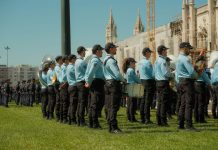







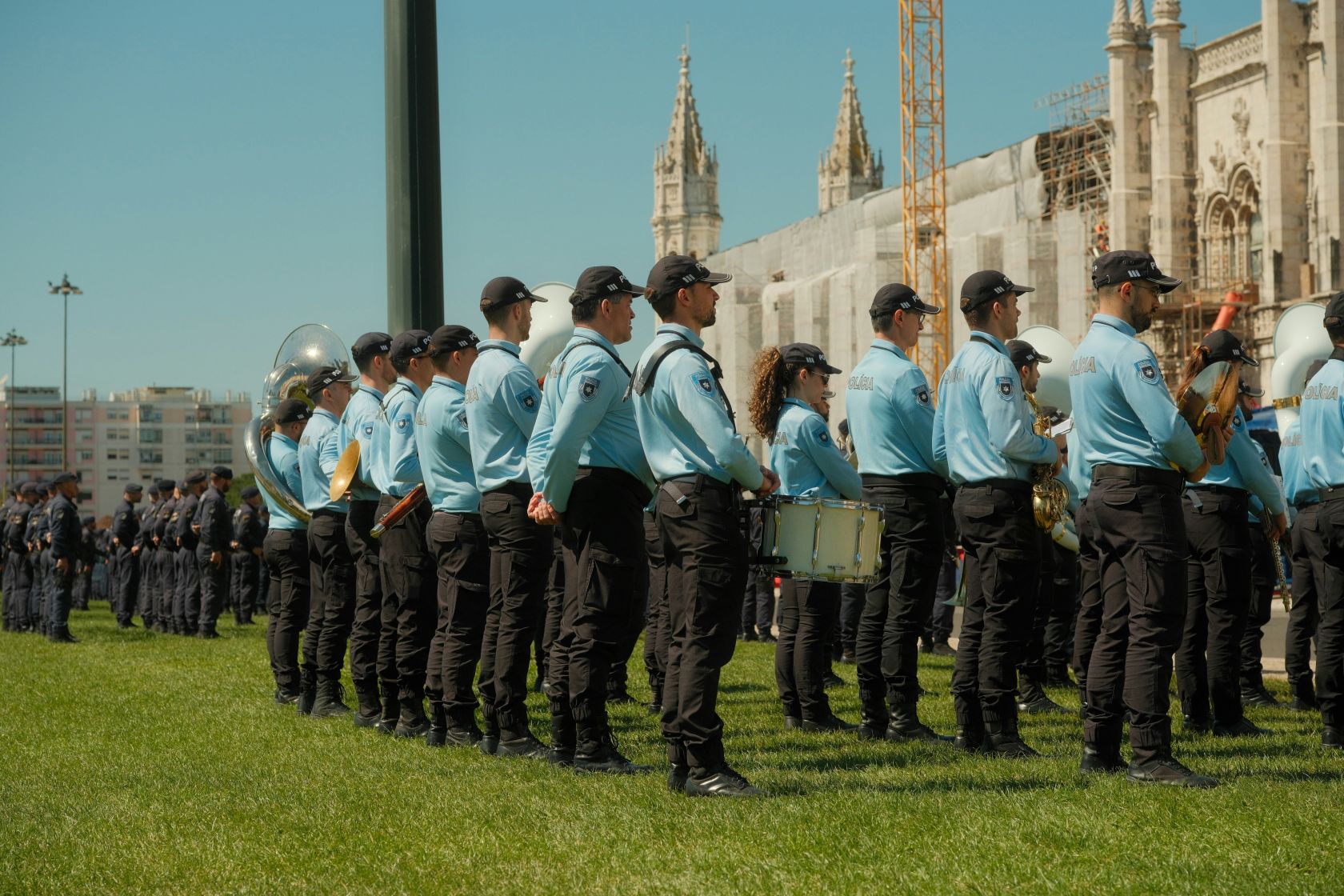
“These approximately 366 officers who will be allocated to airport borders will have what we all want, which is greater speed and efficiency in this operation,” Luís Neves told journalists on the sidelines of the closing ceremony of the theoretical component of the 16th Air Border Control Course, in Torres Novas, in the district of Santarém.
The 367 agents will begin a two-week operational internship at air border posts on 6 July, as the final phase of their training, being distributed among the airports of Lisbon (170), Porto (78), Faro (69), Funchal (29) and the Azores (21), reinforcing the operational capacity of the PSP in controlling passengers coming from countries outside the Schengen area.
Constraints may continue
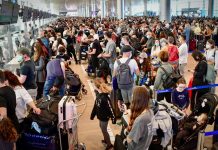
Despite the reinforcement, Luís Neves warned that occasional constraints may persist in airport operations, stressing that “queues will always exist” and that there may be days when computer problems or issues accessing national and international databases affect the speed of passenger processing.
The Minister also highlighted that the increase in the number of travellers has placed additional pressure on airport infrastructure, noting that Portugal currently receives 20,000 more passengers per day than in the same period last year.
“The physical spaces of our airports, which are many years old, have not been resized for this number of passengers,” he said, adding that the government is working with ANA to resolve existing limitations in some airports.
Reinforcement of human and technological resources
Luís Neves argued that the reinforcement of human and technological resources will allow the maintenance of current security levels, adding greater fluidity to border control, in an operation that he considered essential for tourism and the national economy.
The Minister argued that security will continue to be the priority at airport borders, considering that the reinforcement of resources will now also improve the fluidity of passenger control.
“Now it’s about maintaining this same level of security, and we will add a level of speed to airport operations,” he said.
New phase
The official expressed his conviction that airport operations will now enter a new phase, arguing that the work carried out in recent months will overcome the constraints recorded at air borders.
“Those queues we saw, those moments we saw, will end,” he stated, noting, however, that there may still be days with occasional delays.
During the ceremony, Luís Neves addressed the new agents, noting that they will undertake a mission “vital to the security of Europe” and the country, and appealing to their sense of responsibility, pride, and dedication in carrying out their duties.